05 Jan POLIMI at the 3rd Conference on Participatory Design: Advancing NBS Co-Design through MI-TRAP
Brussels | 10 December 2025
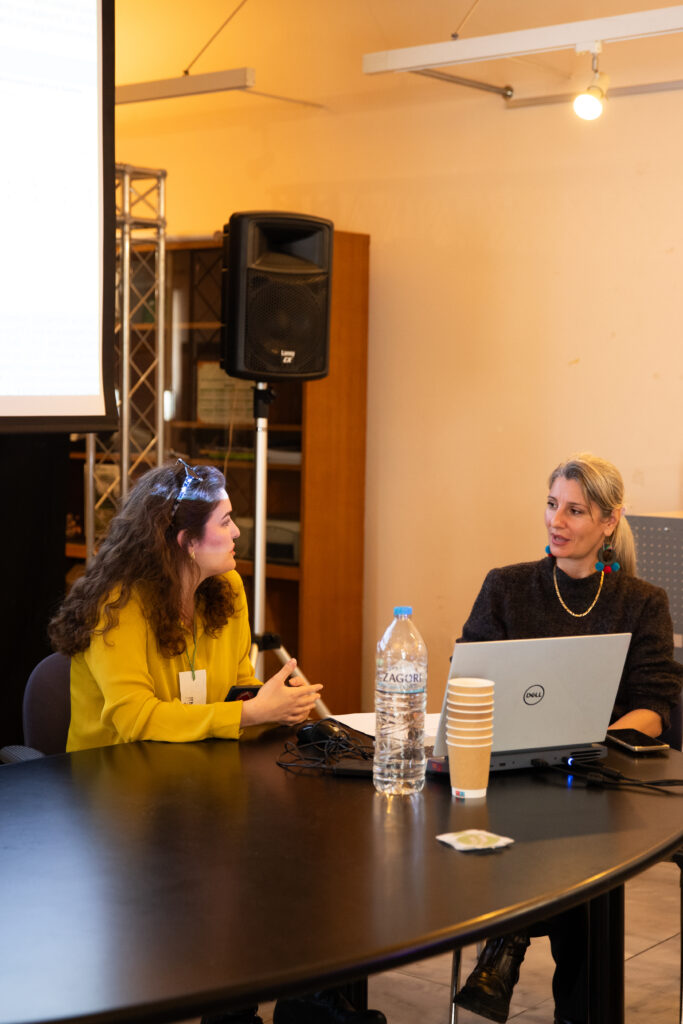
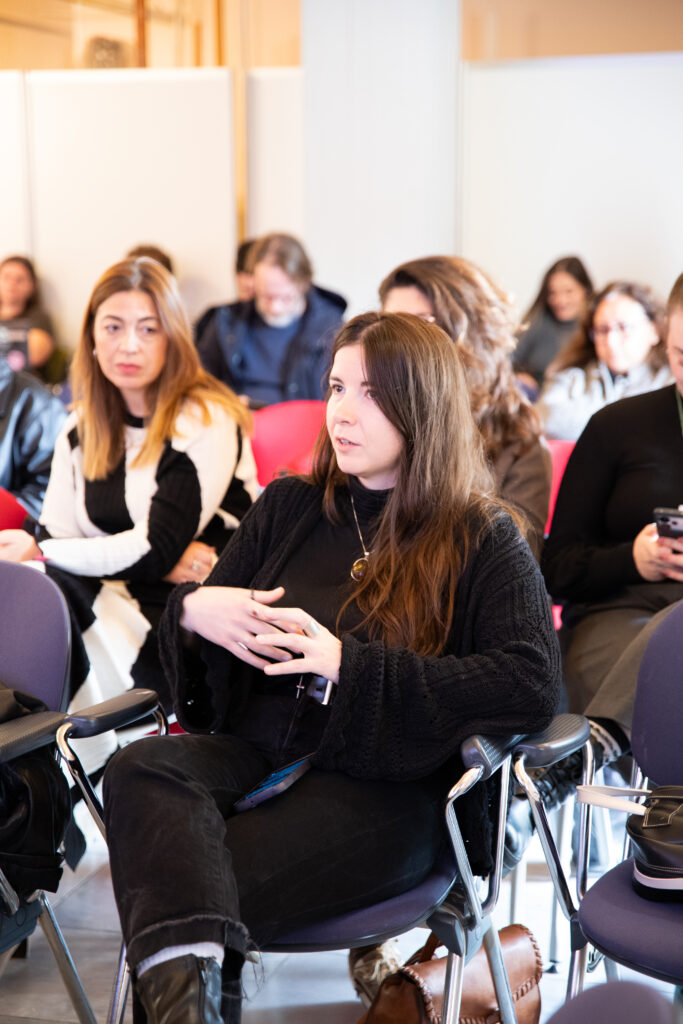
POLIMI recently participated in the 3rd Conference on Participatory Design, titled “Spatial Justice in the Era of Climate Crisis: Geographies & Communities of Greece, the Balkans and the Mediterranean” (Conference 2025 | Participatory Lab). The conference brought together researchers, practitioners, and communities to explore participatory approaches to spatial justice in the context of the climate crisis.
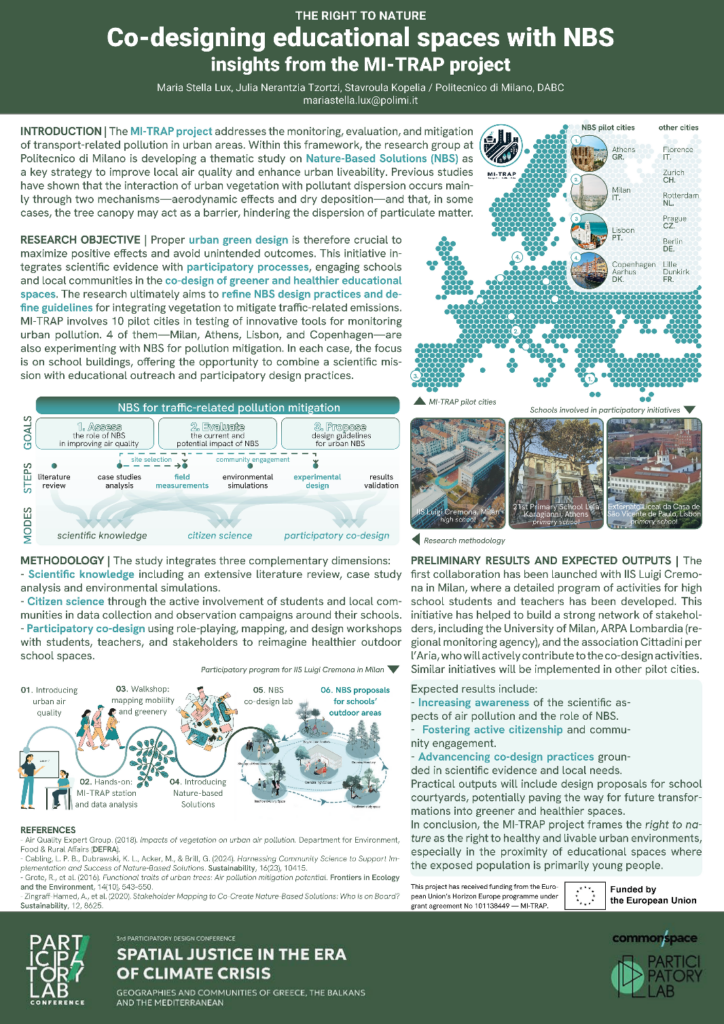
Within this framework, POLIMI presented the poster “Co-designing educational spaces with Nature-Based Solutions (NBS): insights from the MI-TRAP project”, showcasing key experiences and lessons emerging from the project’s co-design activities. The poster was presented by Stavroula Pagona and highlighted MI-TRAP’s approach to engaging young people and local communities in the co-design of urban educational spaces through NBS.
MI-TRAP NBS Co-Design Activities Across Four Cities
Building on the project’s commitment to participatory and inclusive processes, MI-TRAP has launched a structured NBS co-design programme across four European cities: Athens, Milan, Lisbon, and Copenhagen. These activities aim to:
- Actively involve local communities in the design of key urban areas
- Disseminate scientific knowledge on Nature-Based Solutions for mitigating traffic-related pollution
- Raise awareness among younger audiences, with a strong focus on school communities
The programme is being implemented locally through tailored workshops and longer-term educational activities:
- Athens:
The first co-design workshop took place on 4 December at the 21st Primary School of Athens (Lela Karayianni), engaging pupils and educators in participatory discussions around NBS and urban environmental challenges. - Milan:
A one-year educational programme (55 hours) will run from January to December 2026 in collaboration with the Cremona Scientific High School, with the support of Università degli Studi di Milano (UNIMI) and Prof. Roberta Vecchi. The programme will combine scientific input, co-design methods, and hands-on activities. - Lisbon:
In collaboration with local partners, a co-design programme has been agreed with the Externato Liceal da Casa de São Vicente de Paulo. The activities are scheduled to take place at the end of February, focusing on student engagement and local environmental contexts. - Copenhagen:
Discussions are currently ongoing to define the structure of the programme. The intention is to replicate similar co-design activities, adapting them to the local context and stakeholder landscape.
Through these activities, MI-TRAP continues to demonstrate how participatory design and Nature-Based Solutions can be effectively combined to address environmental challenges, foster environmental awareness, and empower younger generations as active contributors to more just and sustainable urban futures.