


05 Feb MI-TRAP General Assembly in Prague: Strengthening Collaboration at the Project’s Midpoint
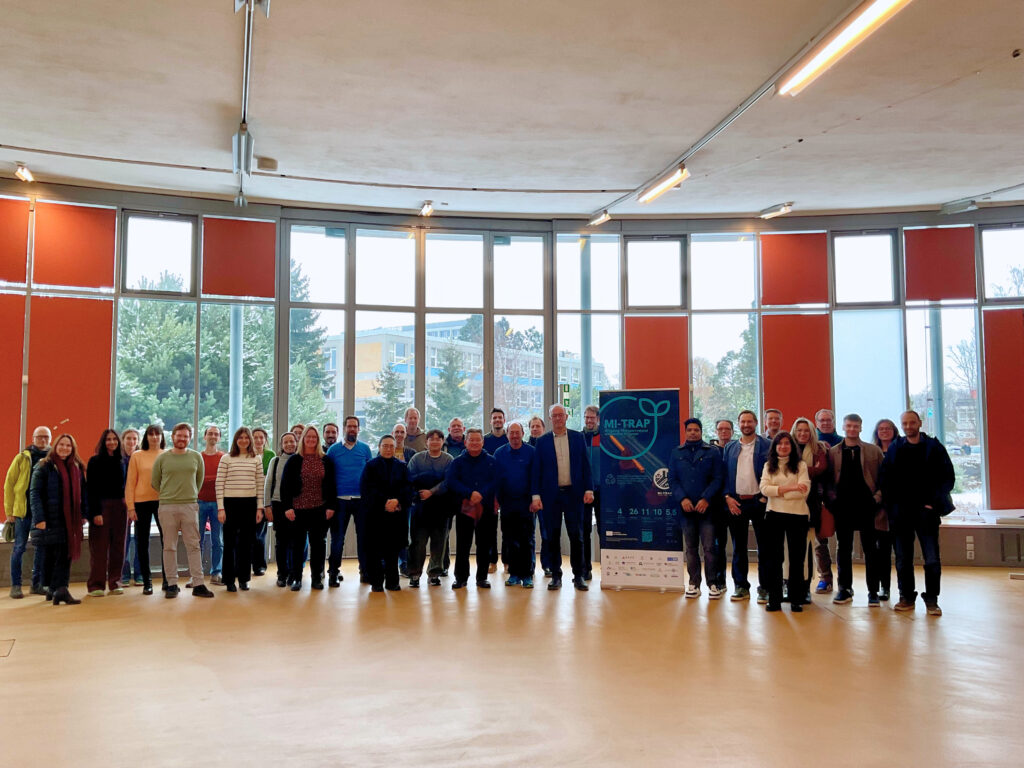
The MI-TRAP consortium convened in Prague, Czechia, for a two-day General Assembly, marking an important milestone as the project reaches its midpoint. Hosted at the Czech University of Life Sciences Prague, the meeting brought together partners, pilot cities, and the Advisory Board for focused exchanges on progress, challenges, and next steps.
Day 1: Project Progress, Coordination, and Scientific Exchange
The General Assembly opened with general project updates led by Project Coordinator Kostas Eleftheriadis (NCSR “DEMOKRITOS”), setting the scene for two days of intensive collaboration. Discussions throughout the first day focused on internal coordination, with a full round of Work Package presentations enabling technical exchange, alignment across work streams, and collective reflection on achievements to date.
A key message emerging from these discussions was the interdisciplinarity of the MI-TRAP community, which continues to be one of the project’s core strengths. Contributions from diverse scientific and applied perspectives—further enriched by the presence of the Advisory Board—helped sharpen the consortium’s shared understanding of priorities moving forward.
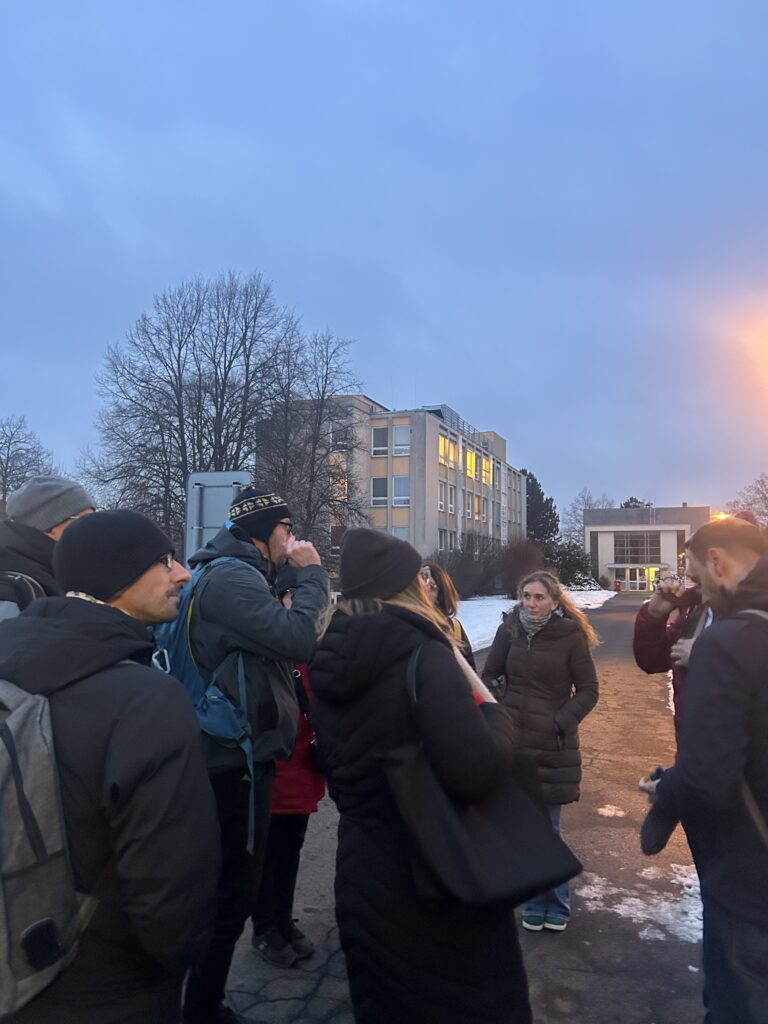
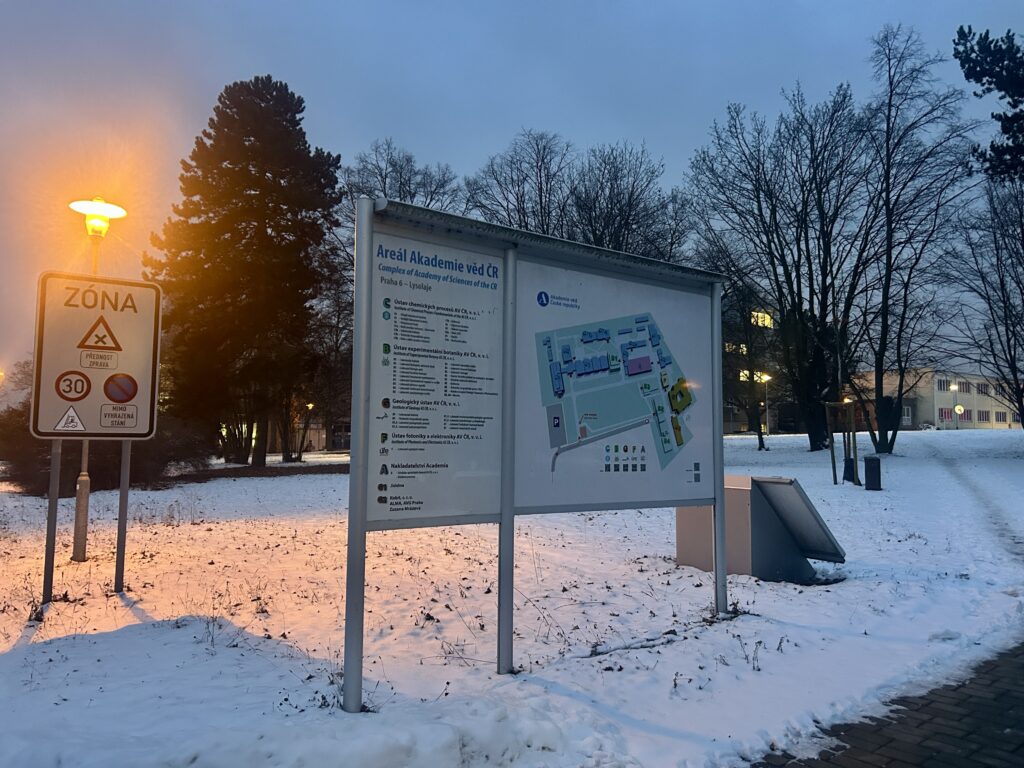
The first day also included a visit to the laboratories of the Institute of Chemical Process Fundamentals (ICPF), located on the campus of the Czech Academy of Sciences (CAS). Consortium members had the opportunity to learn more about aerosol science research and ongoing work relevant to MI-TRAP’s objectives.
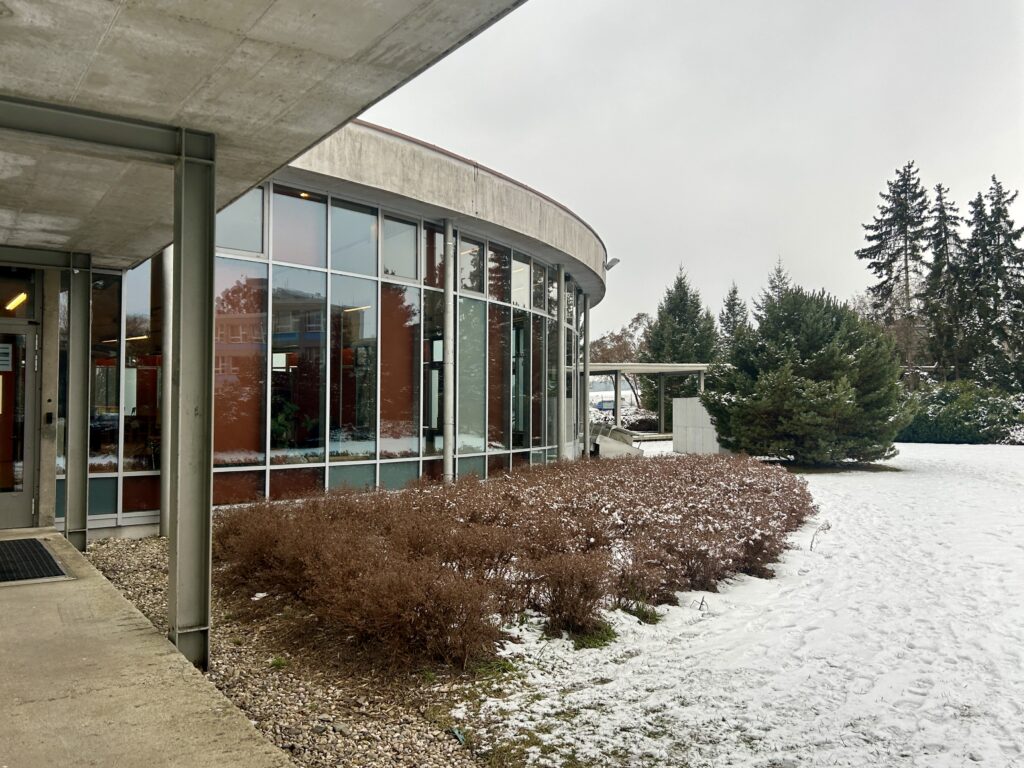
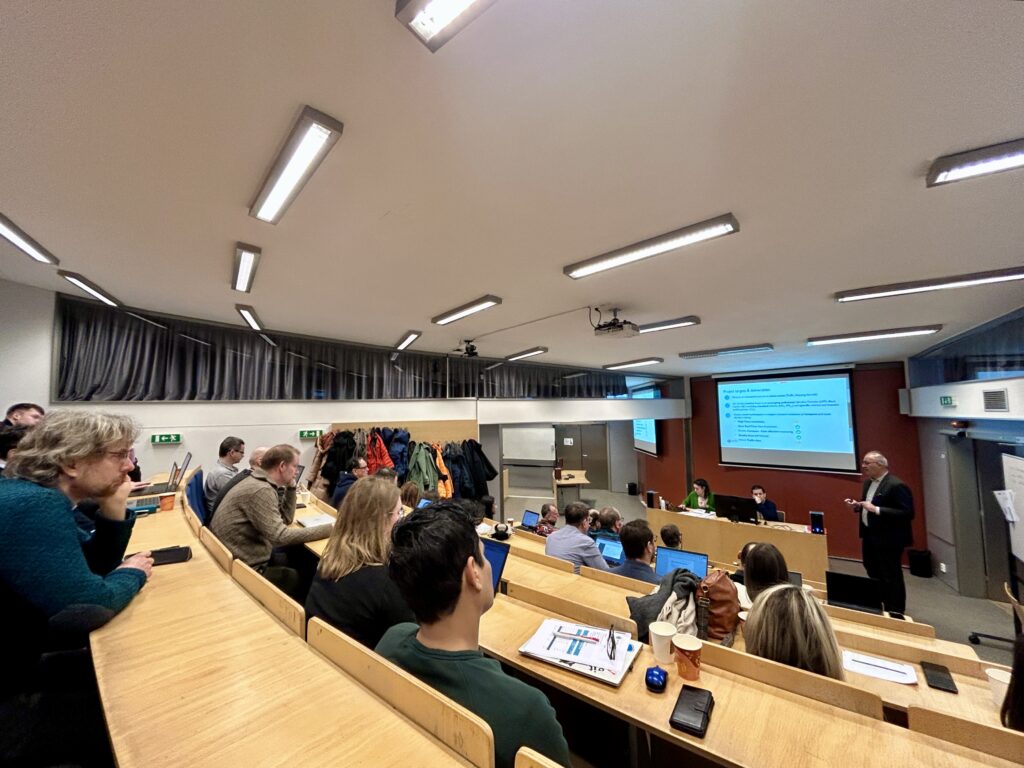
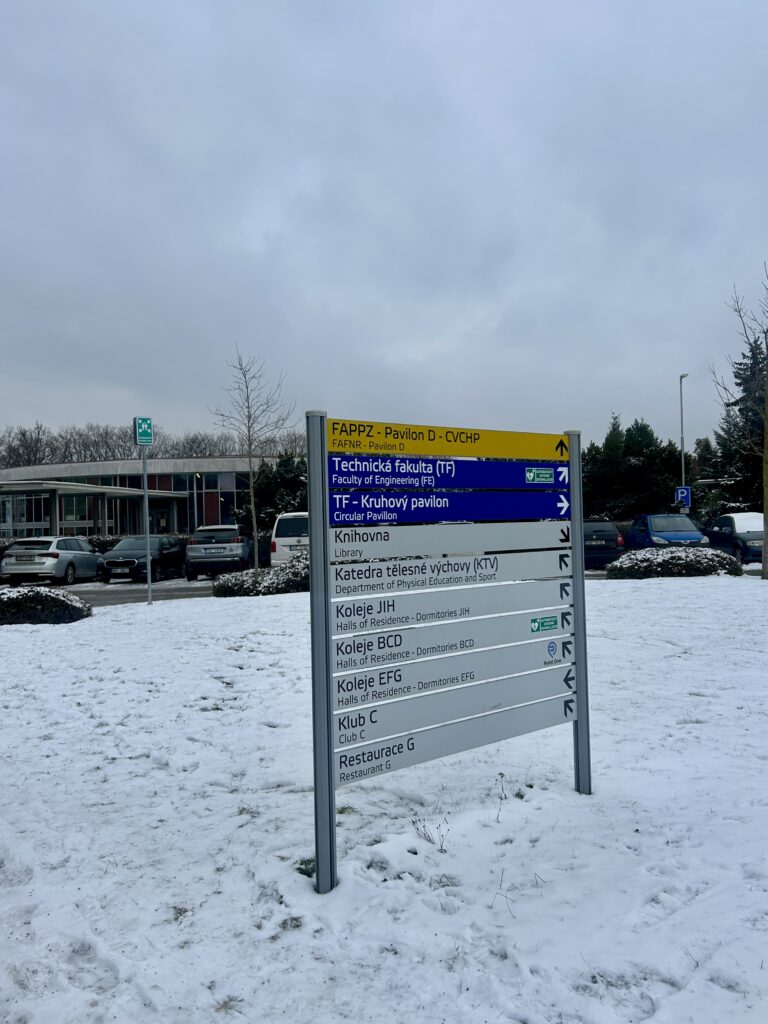
The Institute of Chemical Process Fundamentals (ICPF) is one of six institutes forming the Section of Chemical Sciences of the Czech Academy of Sciences. It functions as a centre for advanced research in chemical, biochemical, catalytic, and environmental engineering, while also acting as a graduate school for PhD studies in chemical engineering, physical chemistry, industrial chemistry, and biotechnology. The visit offered valuable insight into cutting-edge research infrastructures and methodologies that underpin air pollution and exposure studies.

Day 2: From Discussion to Action
The second day of the General Assembly shifted the focus toward convergence and implementation. Sessions addressed data management and exploitation, alongside parallel technical discussions across Work Packages and targeted exchanges with the Advisory Board.
A central highlight of Day 2 was the 2nd International Living Labs (ILLs), which brought together MI-TRAP pilot cities, partners, and local stakeholders. These sessions focused on peer exchange, validation activities, and practical implementation. Particular attention was given to the Prague pilot, with presentations and structured discussions exploring local context, implementation approaches, progress to date, and the identification of transferable practices and minimum results relevant across different urban settings.
Hands-on ILL exercises further supported tools validation and training, allowing city pilots to compare stakeholder engagement approaches, share experiences and challenges, and map local constraints and enabling conditions for future dissemination, including e-CoP activities and citizen science survey rollout.
Looking Ahead
The General Assembly concluded with a collective synthesis and action-planning session, consolidating insights from both days and reinforcing alignment across the consortium. As MI-TRAP moves into its second half, the Prague meeting reaffirmed the value of close collaboration between research partners, pilot cities, and stakeholders in advancing the project’s scientific and societal impact.